Asian cuisine is built on balance
A splash of acidity lifts rich coconut milk. Heat from chili is softened by sweetness. Salty umami deepens fresh herbs and citrus. A slow-building spice blend transforms into something rich and comforting. Behind many favourite dishes is a careful layering of flavours that depends just as much on technique as it does on ingredients.
That is exactly why Asian cooking translates so well to professional volume production when the equipment supports precision.
From Thai curries and Tom Yum to noodle dishes and marinated proteins, the challenge is not simply making larger quantities. It is preserving the same depth, texture and balance that make these dishes memorable in the first place.
Why layered aromatics matter in Asian cooking
Some of the most distinctive flavours in Asian cuisine are developed at the very beginning of cooking.
Garlic, ginger, chili, lemongrass, galangal, lime leaves and curry pastes all release flavour differently depending on temperature and timing. Too much heat can burn delicate aromatics and create bitterness. Too little heat leaves flavours flat.
Precise temperature control makes it easier to develop these ingredients properly, whether blooming red curry paste for Red Thai Curry, infusing broth for Tom Yum, or building the deep spice base needed for Beef Rendang and Tikka Masala.
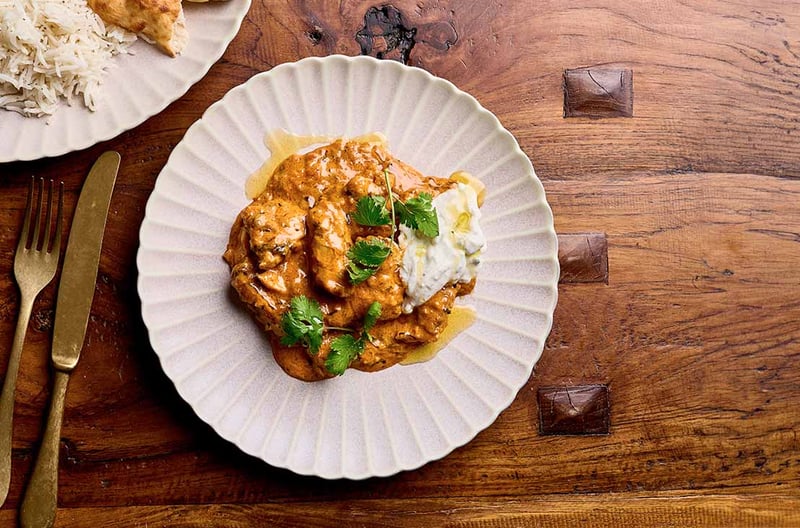
When flavours are layered carefully from the start, the final dish gains complexity without losing freshness.
How consistent mixing improves curries, sauces and broths
Many Asian dishes rely on liquids carrying flavour.
Coconut-based curries, reduced glazes, rich braising sauces and aromatic soups all depend on maintaining smooth textures while concentrating taste.
Consistent movement during cooking helps ingredients combine evenly and reduces the risk of sticking, scorching or separation.
This matters especially in recipes such as:
In volume cooking, consistency is what ensures every serving delivers the same experience.
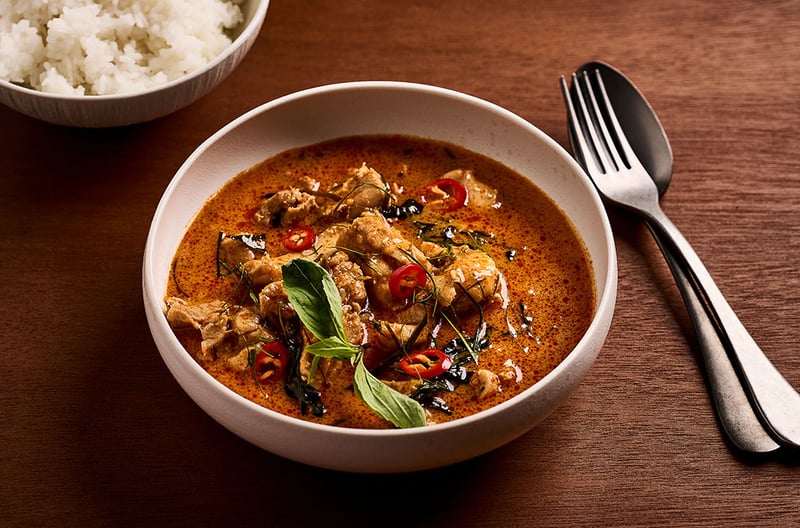
Red Thai Curry Cooked in a Genier Kettle
Cooking tender proteins and marinating evenly in large batches
Protein texture can define the success of a dish.
Chicken should stay juicy. Pulled pork should become tender enough to shred easily. Drumsticks need to absorb marinade evenly while maintaining structure during cooking.
This is where controlled mixing becomes especially valuable.
For BBQ Chicken Marinating and Tandoori Chicken, even movement helps coat proteins thoroughly so marinades distribute consistently across the batch.
Even marinating of drumsticks in a Genier Kettle
For braised dishes like Pulled Pork or Beef Rendang, stable heat helps break down tougher cuts gradually, developing tenderness without aggressive boiling that can dry out the meat.
For stir-fry classics like Kung Pao Chicken, better control helps proteins cook evenly while staying succulent.
Deepening Flavor Profiles with Controlled Heat
Developing intense flavor profiles does not require extreme high temperatures. The efficient heat transfer and precise process control of the kettle allow for effective processing of ingredients even at a moderate 125°C. This temperature is optimal for achieving controlled transformations of natural sugars, resulting in rich color and complex flavor development without relying on aggressive high-heat methods.
- caramelise onions
- toast spices
- roast chilli nuts
- deepen curry bases
Recipes like Roasted Chili Nuts show how dry roasting applications can also work beautifully in professional kettles.
The benefit is flavour development with greater control and less risk of burning.
Cooking noodles, rice and starch-heavy sides with consistent texture
Asian cuisine often includes rice, noodles and other starch-heavy components that can become difficult in large batches.
Pilaf Rice benefits from even heat distribution and controlled movement, helping achieve a consistent finished texture.
Mie Goreng showcases how sauces can coat noodles evenly while maintaining the right balance between glaze and bite.
These details matter because starches quickly reveal inconsistencies in cooking.
Why scaling Asian recipes is about authenticity, not just capacity
Perhaps the biggest challenge in professional Asian cooking is scaling recipes without losing what made them special in the first place.
Guests still expect vibrant broth in Tom Yum and balanced sweetness and savoury glaze in Mie Goreng.
When kitchens have better control over heat, mixing and consistency, they are in a stronger position to scale flavour successfully.
Asian recipe ideas to try in Genier Kettles
If you would like to see these ideas in practice, explore Genier recipes such as:
- Mie Goreng
- Red Thai Curry
- Tom Yum
- Roasted Chilli Nuts
- BBQ Chicken Marinating
- Pulled Pork
- Kung Pao Chicken
- Pilaf Rice
- Beef Rendang
- Tikka Masala
- Tandoori Chicken
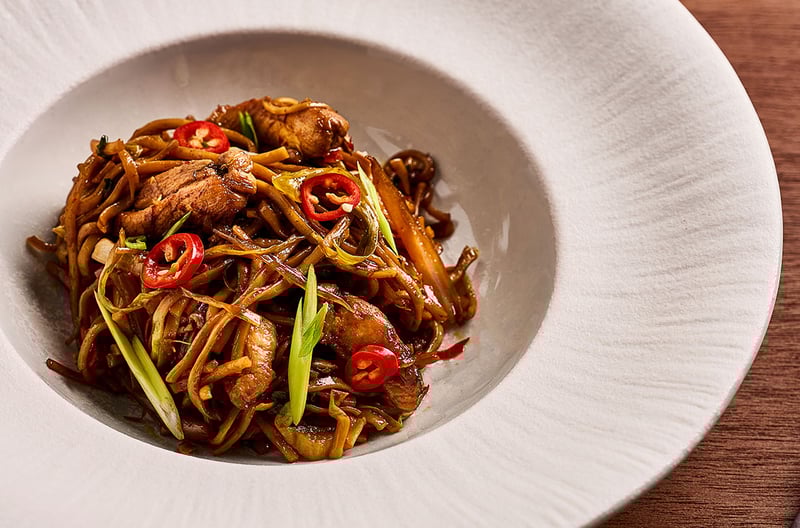
Mie Goreng
Each recipe highlights a different side of professional batch cooking, from broth infusion and sauce consistency to protein handling, marination and roasting.
Precision cooking protects flavour in every batch
Asian cuisine rewards attention to detail.
When aromatics are handled carefully, sauces stay balanced, proteins remain tender and every batch delivers the same quality, volume cooking becomes more than efficient.
It becomes a reliable way to scale dishes exactly as they are meant to taste.